Nomadic Art Camp 2023:
Art as a Catalyst for Change or a Continuation of Cultural Colonialism?
Curator:
Shaarbek Amankul
Participants:
Vanessa Greene (US), Weiting Zhang (US), Mery Chepman (US), Jorge Rajas (US), Lu Wei (TW), Ulbosyn Utegenova (UZ), Janarbek Saparbektegin (KZ), Gulnura Nusubalieva (KG), Sulaimanova Cholpon (KG)
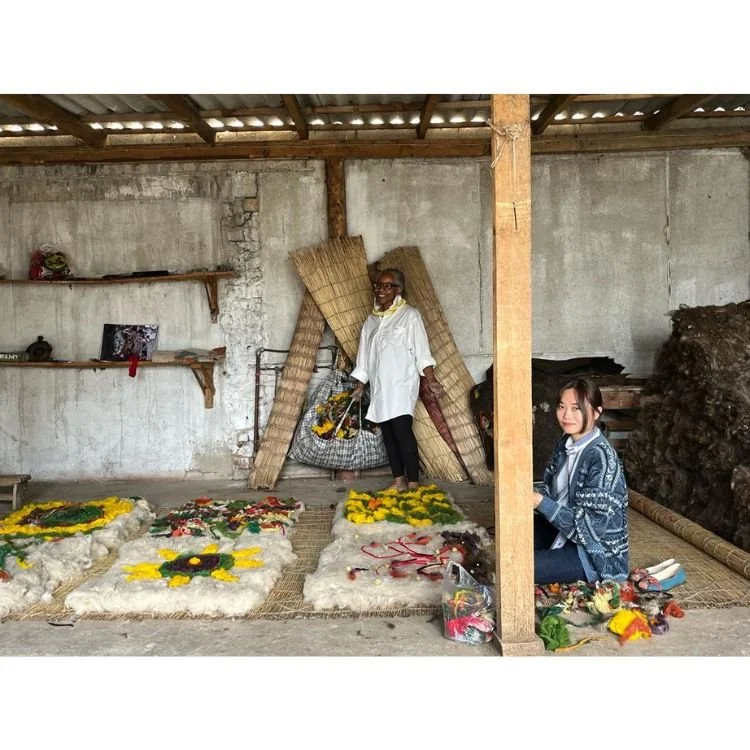
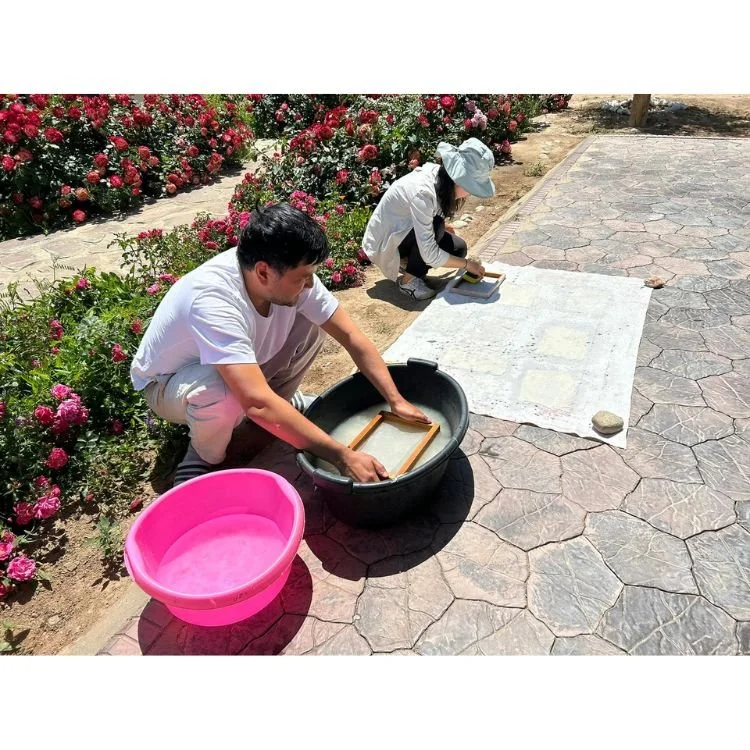
The project represents a significant initiative within the realm of intercultural and interdisciplinary collaboration, continuing its mission to bridge the creative worlds of Central Asia and the United States. This project serves as a critical moment in the ongoing examination of how contemporary art, traditional cultural practices, and ecological consciousness can not only coexist but also mutually enrich one another. Through artistic dialogue, the project raises fundamental questions regarding the balance between tradition and modernity, the importance of local involvement, and the broader, long-term consequences of cross-cultural initiatives.
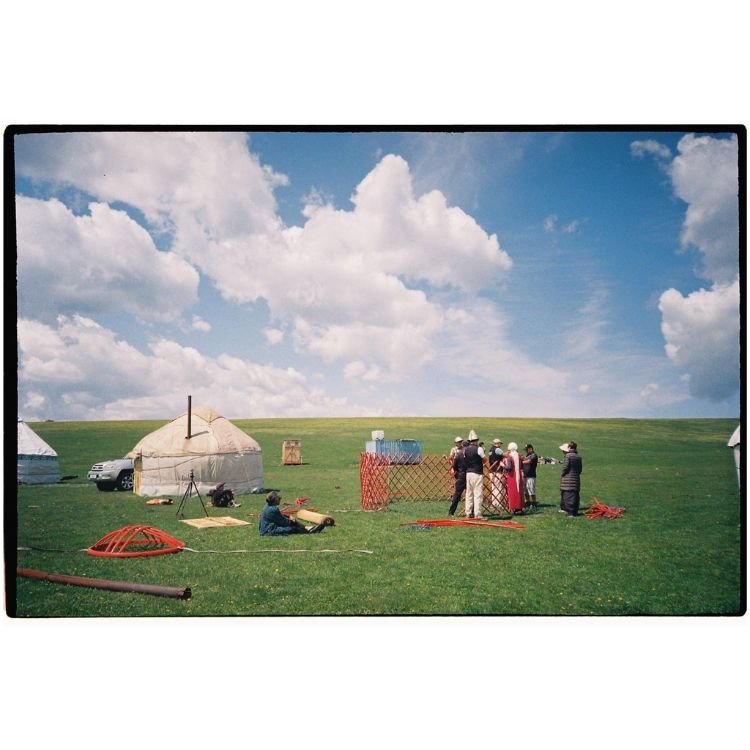
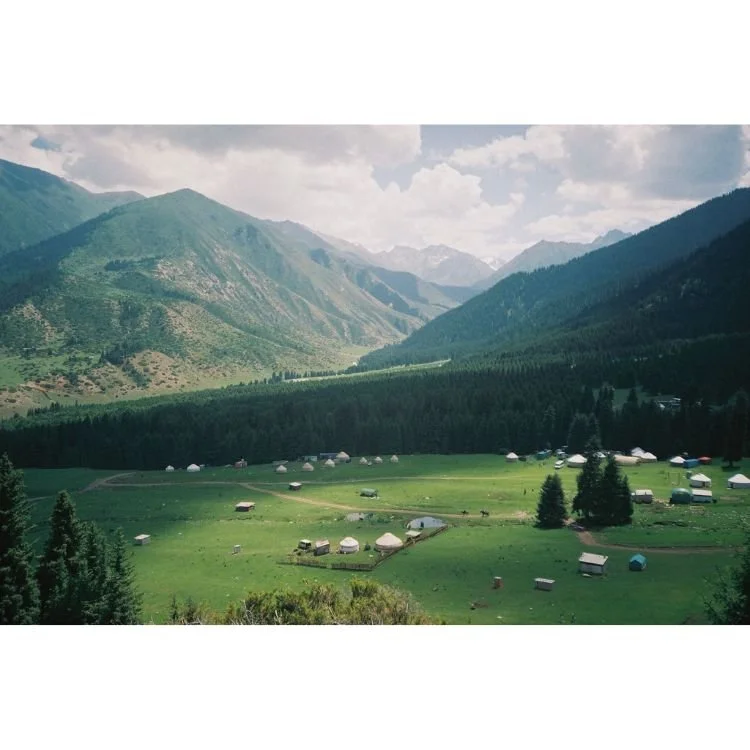
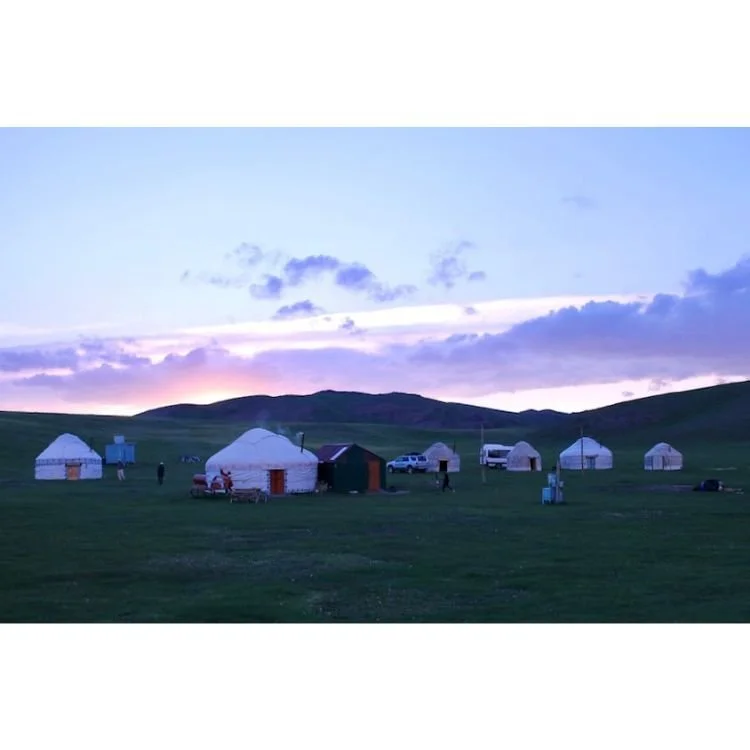
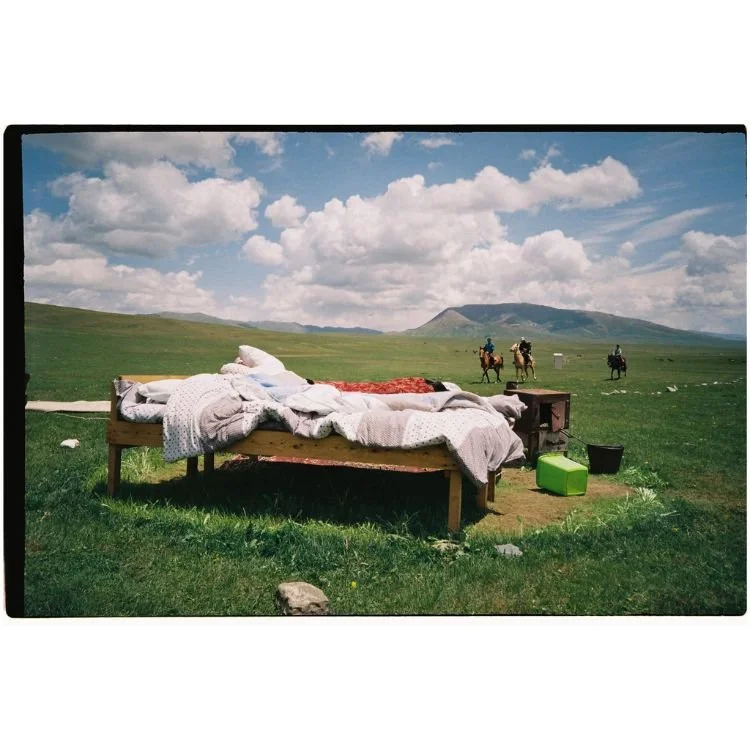
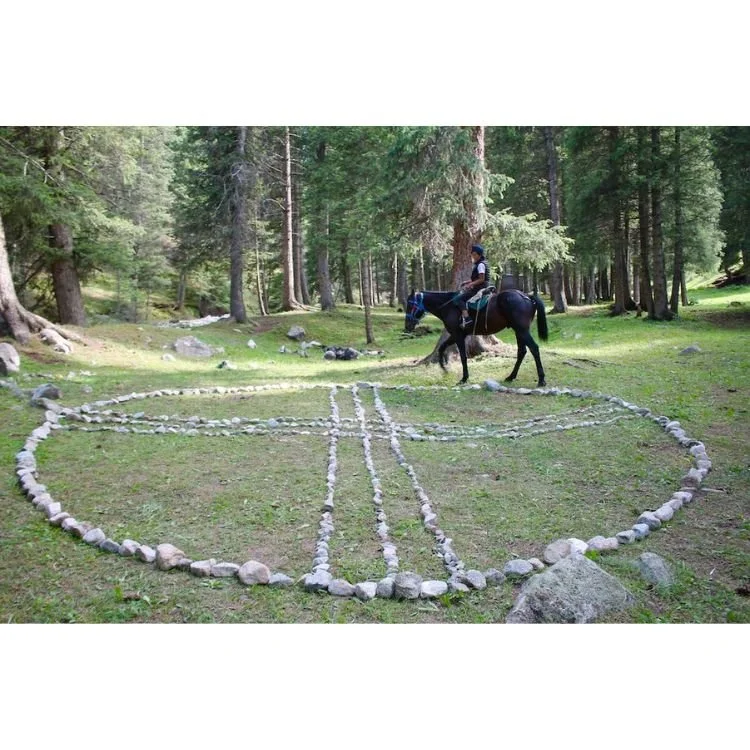
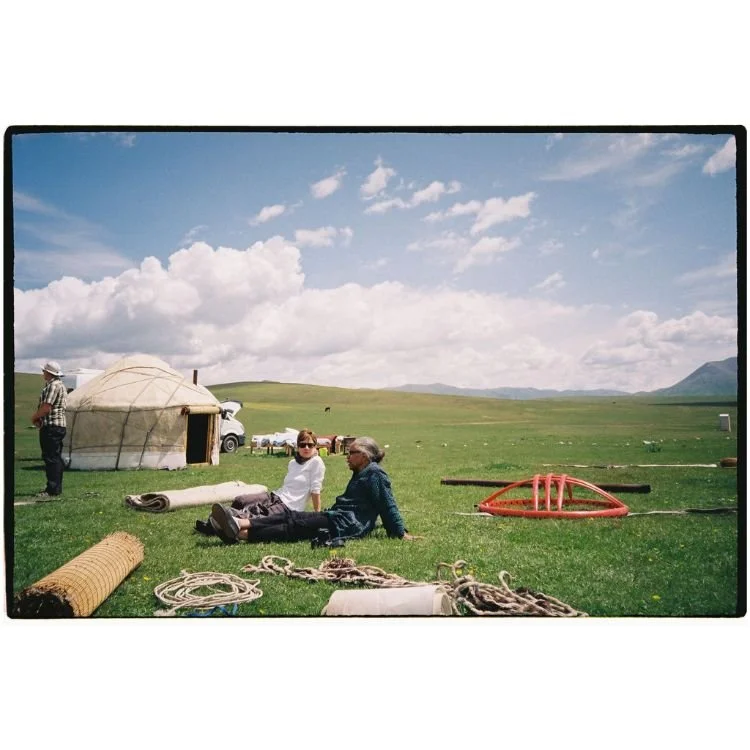
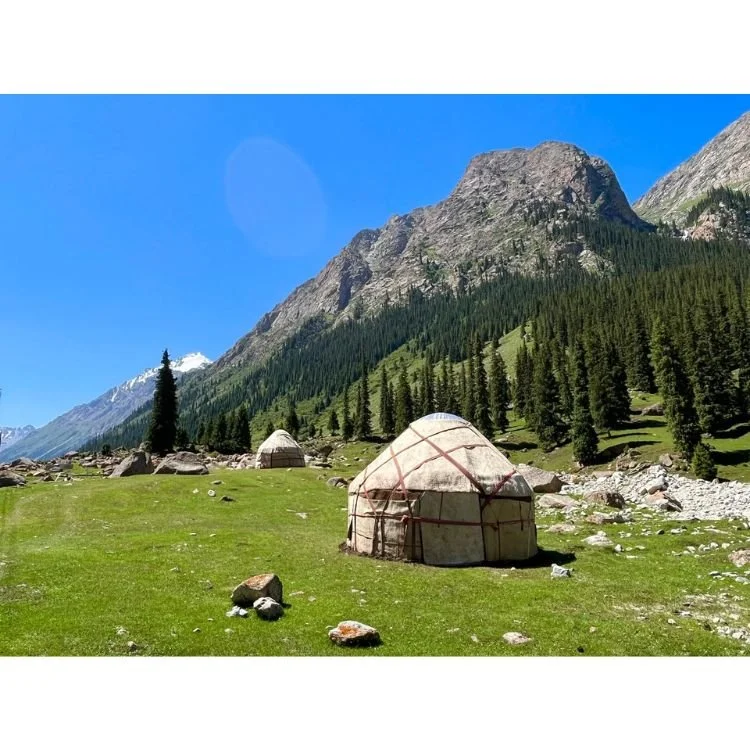
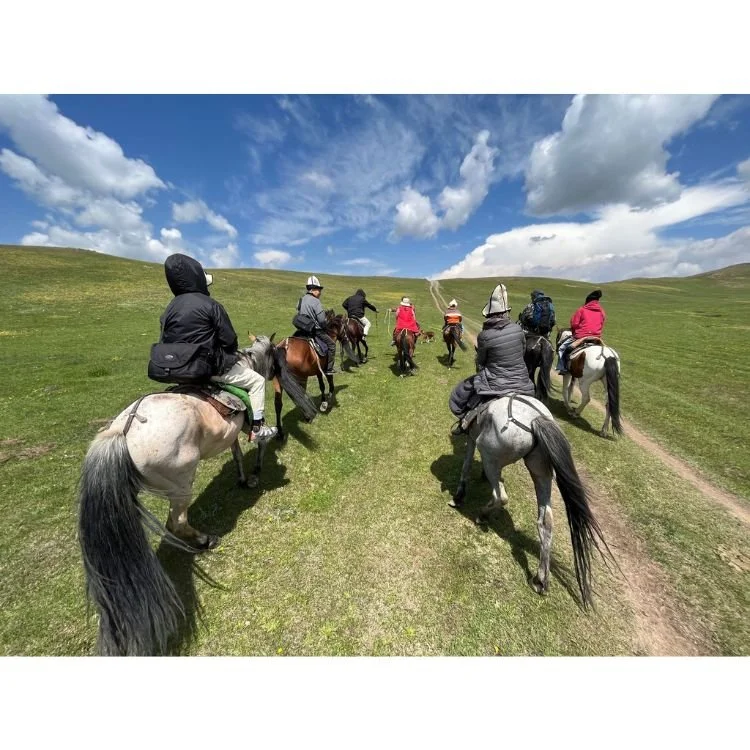
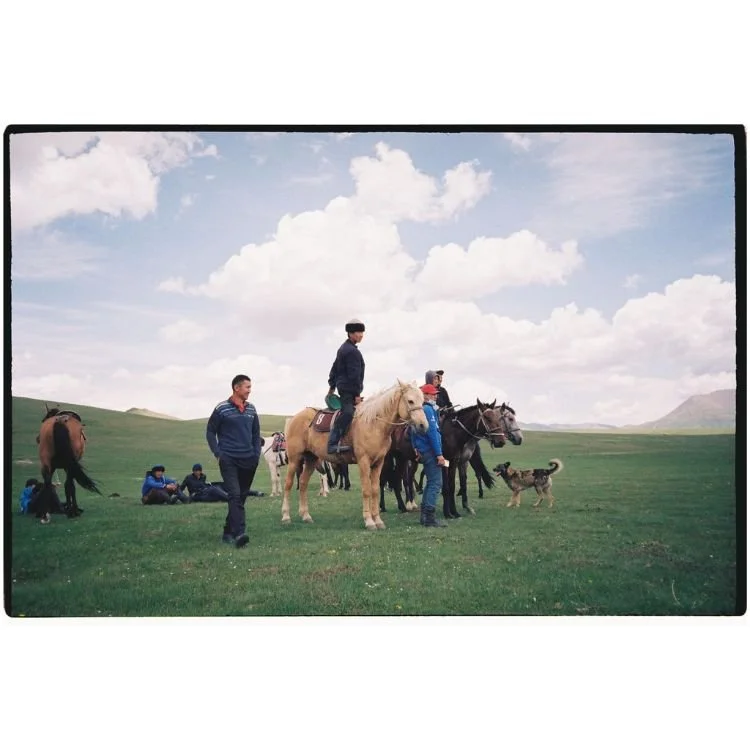
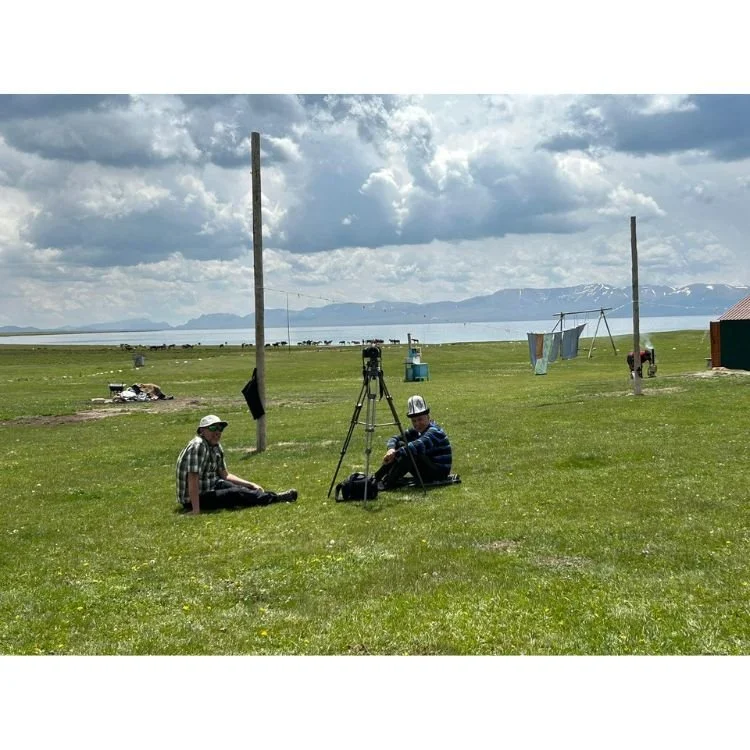
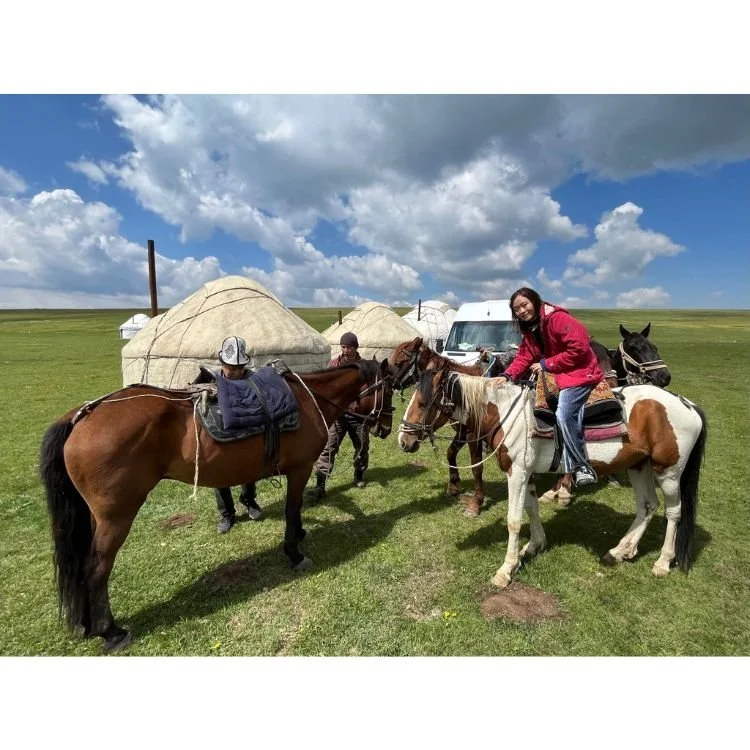
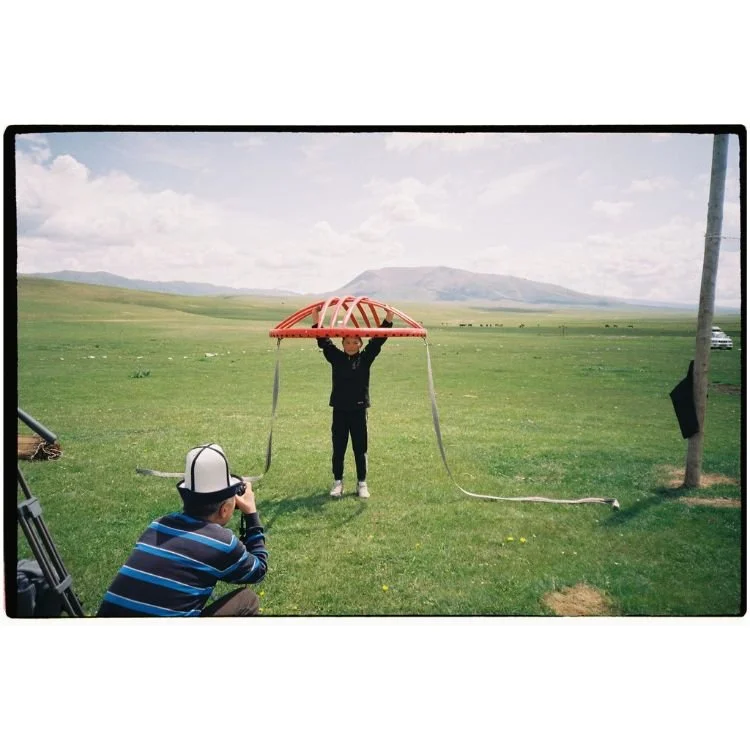
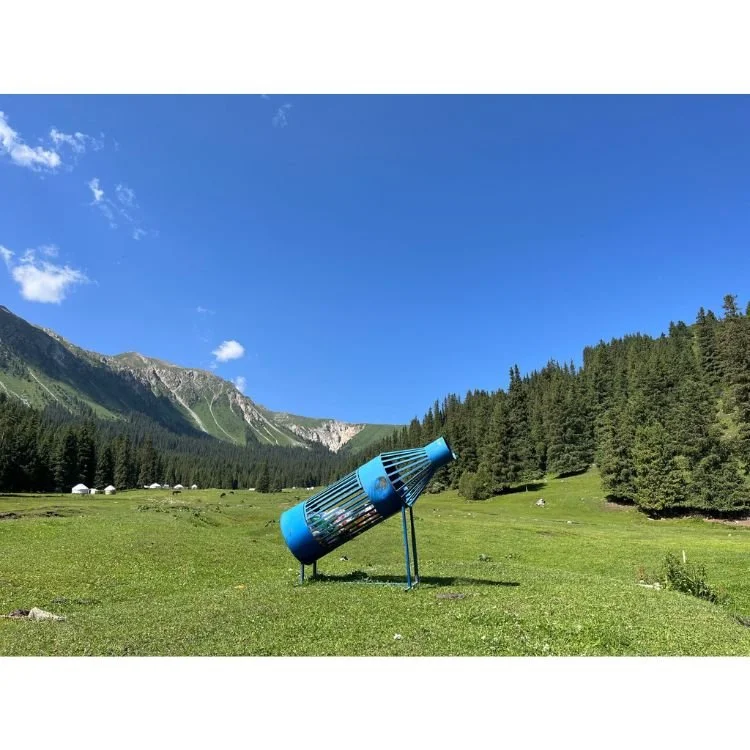
The choice of locations for the project—from the remote Son-Kul Lake in the Naryn region to Issyk-Kul Lake—is not only geographically significant but also carries deep symbolic weight. Situated in the harsh highland landscapes of Kyrgyzstan, these sites reflect the core objectives of the project: the convergence of nature, tradition, and art. Son-Kul Lake, with its unpredictable weather and high-altitude pastures, offered a complex and thought-provoking environment for participants to engage with the essence of nomadic life and the region’s ecosystems. However, despite the inspiring backdrop, the project reveals a significant tension between the deep-rooted spiritual and ecological connections of the region and the often-transient nature of the international art world.
This contrast brings to the fore critical issues inherent in organizing artistic initiatives in remote locations, where Western artists, accustomed to more comfortable settings, frequently view their activities as "help" or "intervention," often oblivious to the real cultural and economic needs of local communities. They risk becoming extensions of cultural colonialism, disguised as creative ventures, imposing Western values while failing to establish authentic engagement. Artists, distanced from the daily realities of the places in which they "intervene," often lack a nuanced understanding of local cultures, leading to superficial and patronizing exchanges rather than genuine dialogue. The issue lies in how Western, often conservative, thinking intersects with what can be described as artistic "imperialism," where privileged artists, disregarding local contexts, impose their ideas and concepts—exacerbating cultural divides and hindering meaningful progress. While dialogue between artists from diverse cultures undeniably enriches the discourse, the transient nature of such engagement’s risks reducing these interactions to ephemeral moments rather than fostering lasting and impactful relationships.
A critical aspect of this project is the balance between authentic cultural collaboration and the risk of cultural appropriation. In a project involving artists with vastly different cultural backgrounds, it is imperative to scrutinize how local traditions and knowledge are represented. While the project offers a unique platform for exploring Kyrgyz cultural practices, the question arises: were these traditions treated with the necessary respect, or have they merely been appropriated as instruments for artistic exploration? This is a nuanced issue that demands a careful, thoughtful approach to ensure that local communities are not reduced to passive objects of artistic curiosity but are instead active participants in the shaping of the narrative. Ethical representation and mutual respect must be at the core of such exchanges to prevent the reinforcement of colonial undertones and the creation of hollow partnerships that fail to bring about any substantial, lasting impact.
The true potential of this project lies not only in its capacity to spark temporary artistic dialogues but in its ability to lay the groundwork for deeper, more sustainable relationships that foster long-term changes both within the art world and in the communities, it aims to engage. Only through consistent, responsible actions from the participants can the project evolve into a genuine catalyst for positive transformation, leaving a lasting imprint on the cultural landscape and contributing sustainably to both local communities and the broader global discourse on art, sustainability, and cultural exchange.