Nomadic Art Camp 2022:
Creative Impact Lab – Exploring Intercultural Collaboration, Environmental Advocacy, and the Role of Art in Social Change
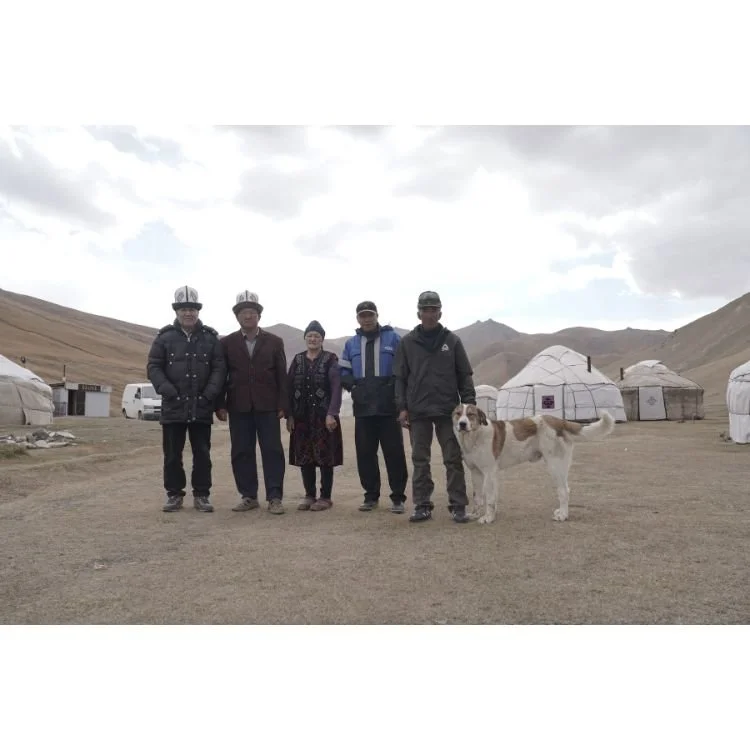
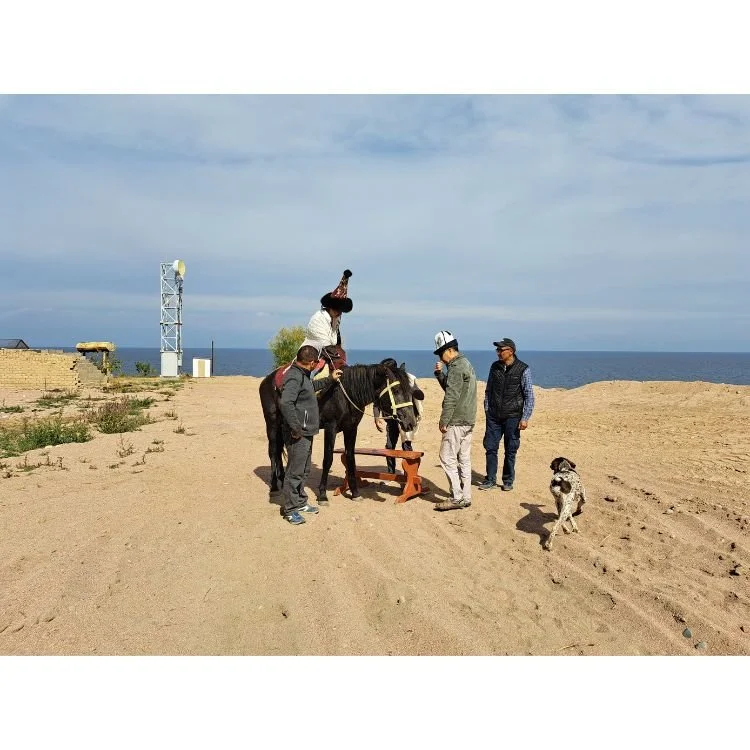
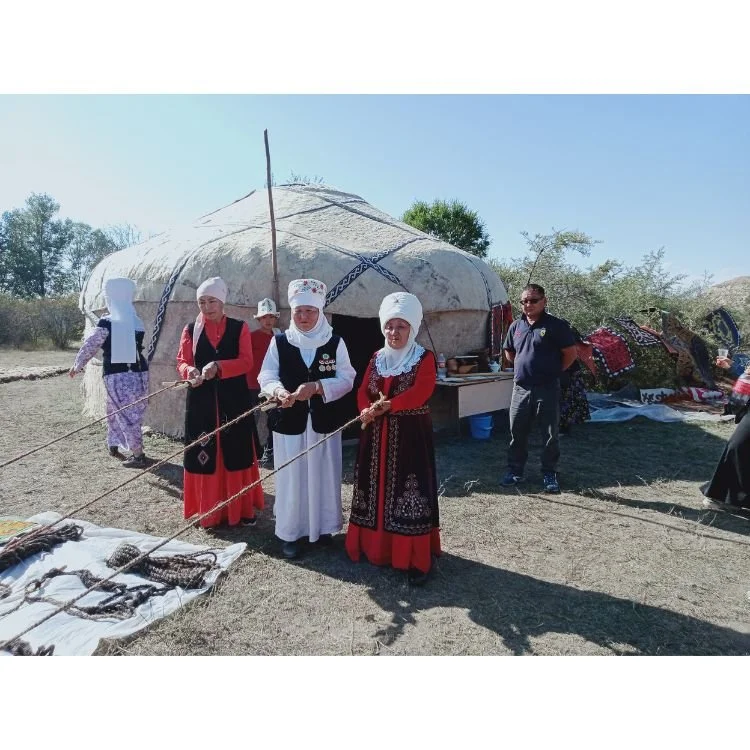
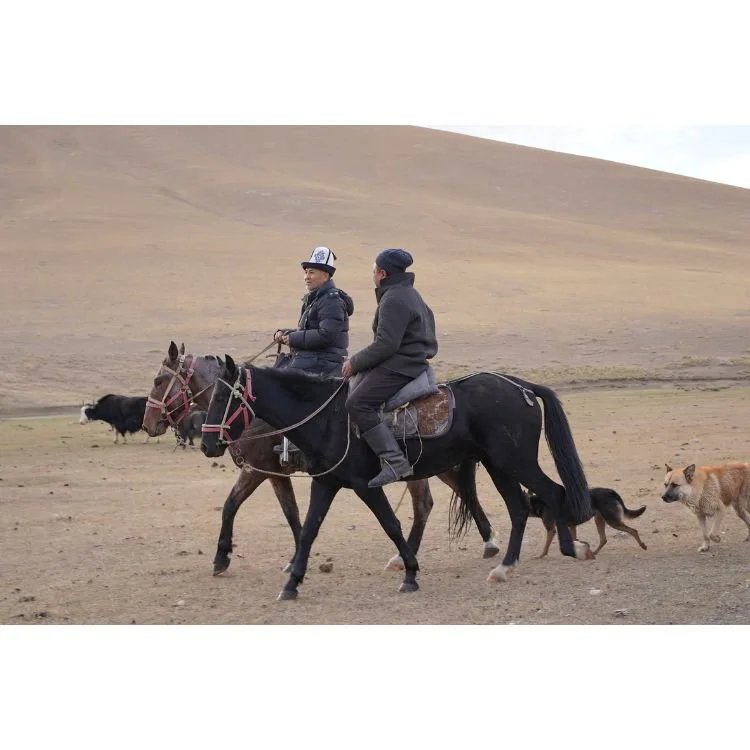
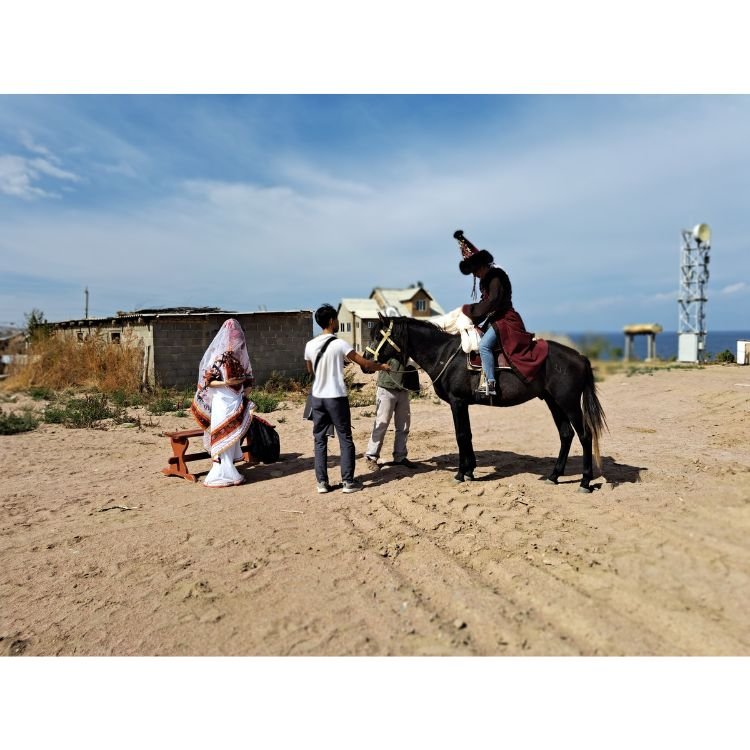
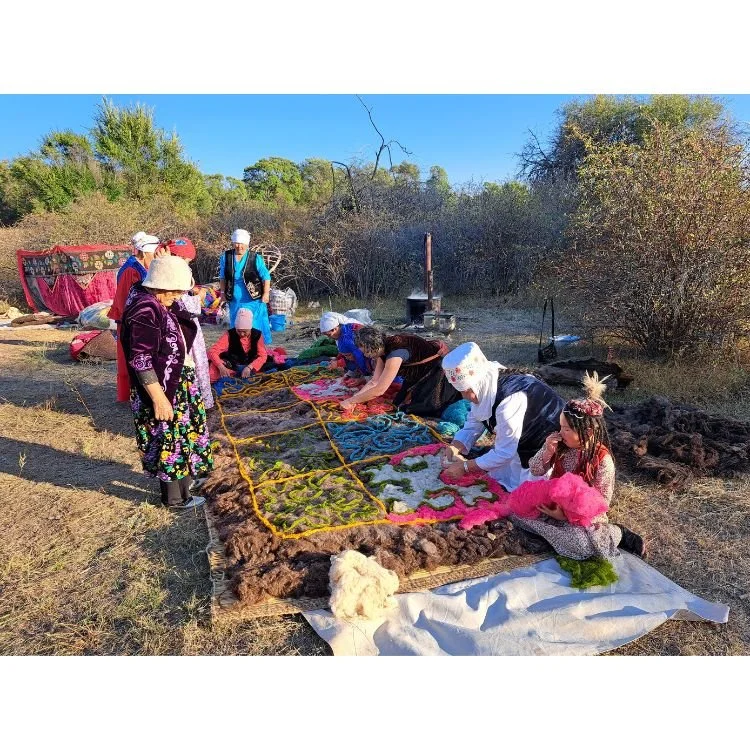
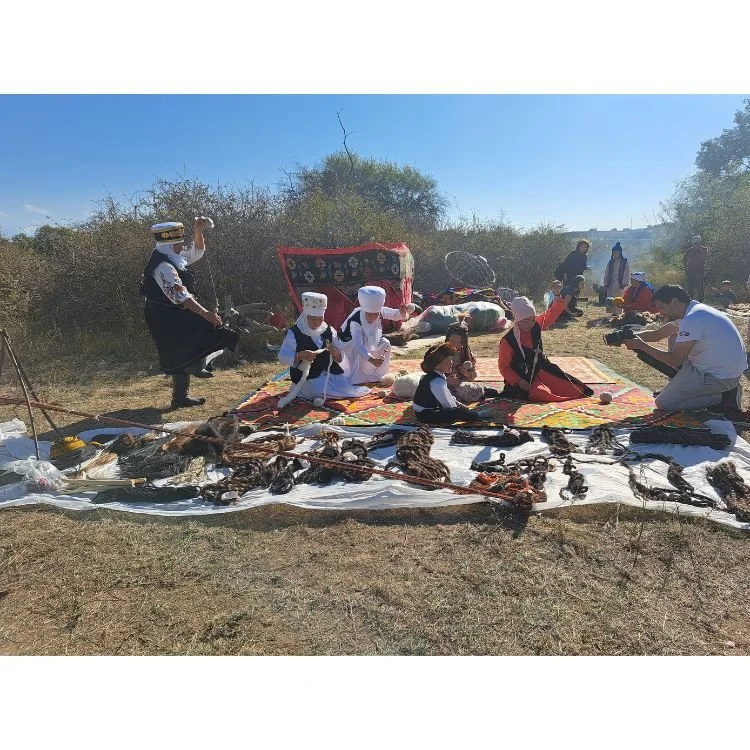
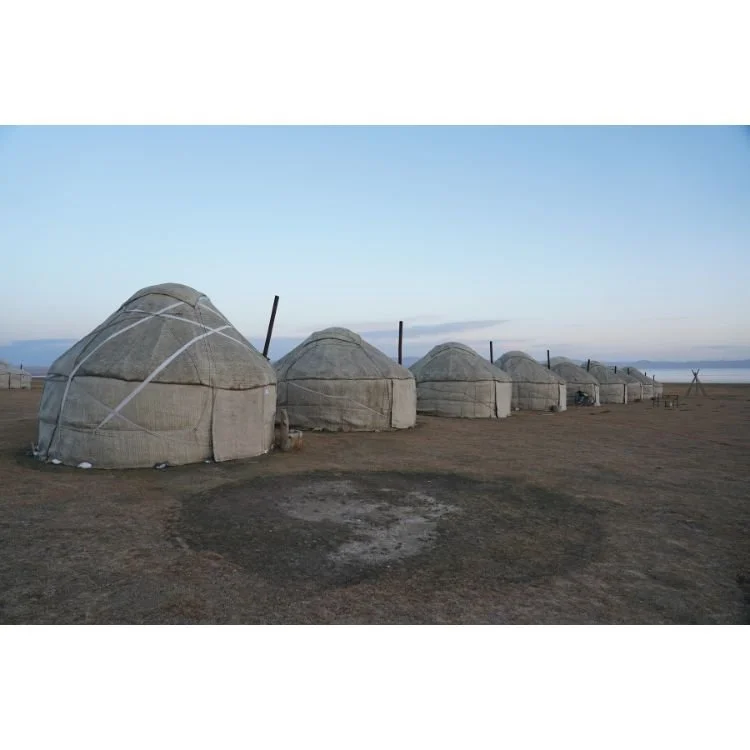
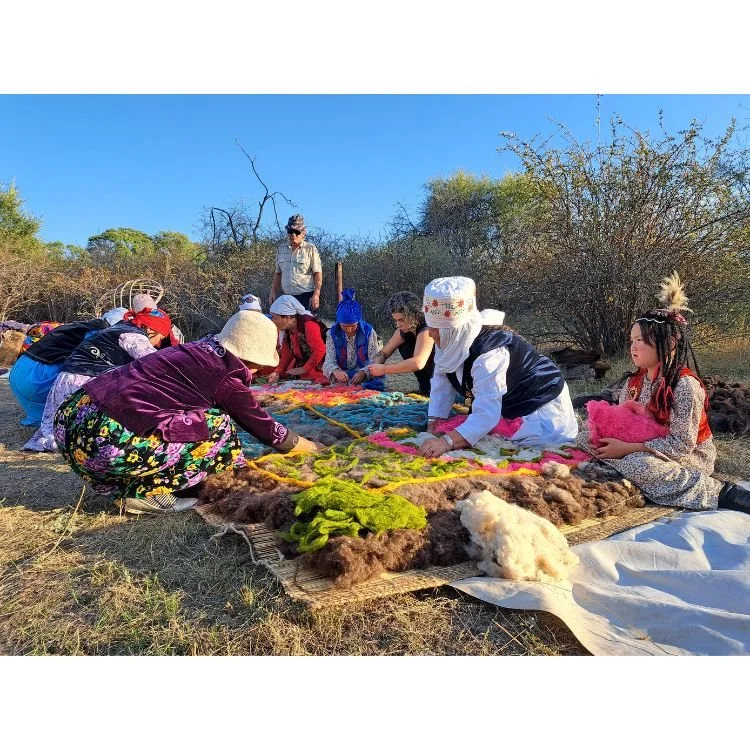
The 2022 edition of project marked a bold expansion of its vision, promoting long-term intercultural collaboration between artists from Central Asia and the United States. It became a powerful catalyst for creative exchange, encouraging new ways of engaging with contemporary art while simultaneously reviving traditional cultural practices in a world that is rapidly changing. This broadened scope allowed for deeper discussions about social change and collective responsibility. The central themes of the project — pastoral life, nomadic traditions, and the relationship between local communities and the natural environment — were explored through a deep engagement with the landscapes of Kyrgyzstan. Artists were encouraged to reflect on pressing environmental concerns such as ecological degradation, pollution, and the protection of endangered species. This communal experience emphasized the project’s commitment to intercultural exchange — not just through the creation of art, but also through shared daily experiences, mutual respect, and a deeper understanding of the environment that sustains both local communities and artists. However, the project also raises questions about the broader political dynamics and tensions that may impact the inclusivity of such cross-border cultural initiatives, especially in a region where political relations can sometimes be strained. Another critical point for reflection is the delicate balance between cultural appropriation and genuine collaboration. Nomadic Art brings together artists from vastly different cultural backgrounds, and while this diversity enriches the dialogue, it also raises concerns about how local knowledge, crafts, and natural resources are represented and used. How do these external artists engage with Kyrgyz culture, and are they mindful of not appropriating traditions and knowledge for their own creative agendas? It is vital to ensure that such initiatives remain respectful of local communities and ensure that the representation of local culture is both accurate and ethical. While project undoubtedly succeeds in creating a space for important dialogue, raising awareness, and producing unique artistic outputs, there is a question of its broader impact beyond the art world. As valuable as the projects are in fostering understanding and conversation, one might wonder whether the camp’s activities translate into tangible change. Without concrete follow-up or systemic impact, there is a risk of remaining an isolated artistic exercise, disconnected from the larger social, political, and environmental issues it seeks to address. How can the works produced at the project inform real-world solutions or contribute to ongoing efforts for environmental sustainability and cultural preservation? This is an area where the project could potentially expand its scope, offering more avenues for long-term engagement and action.
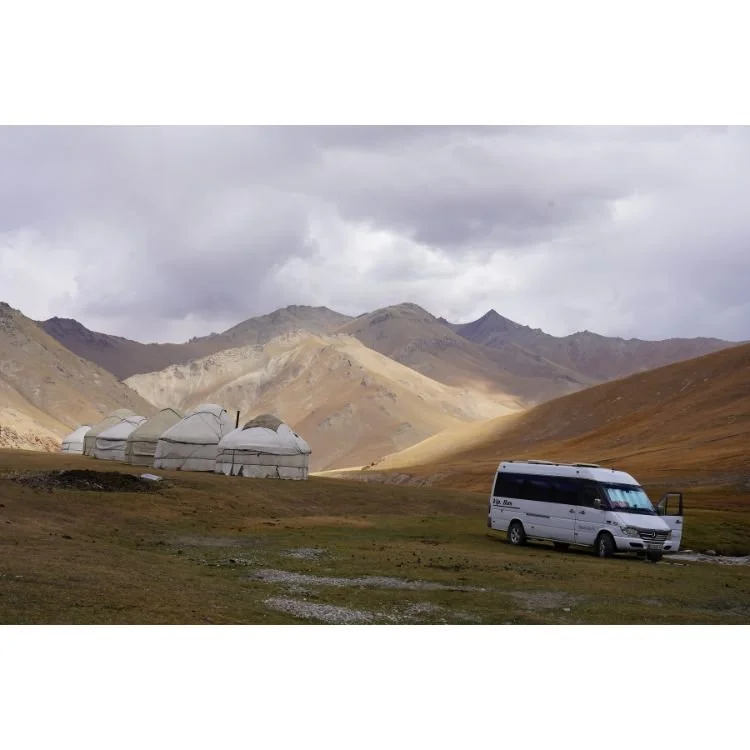
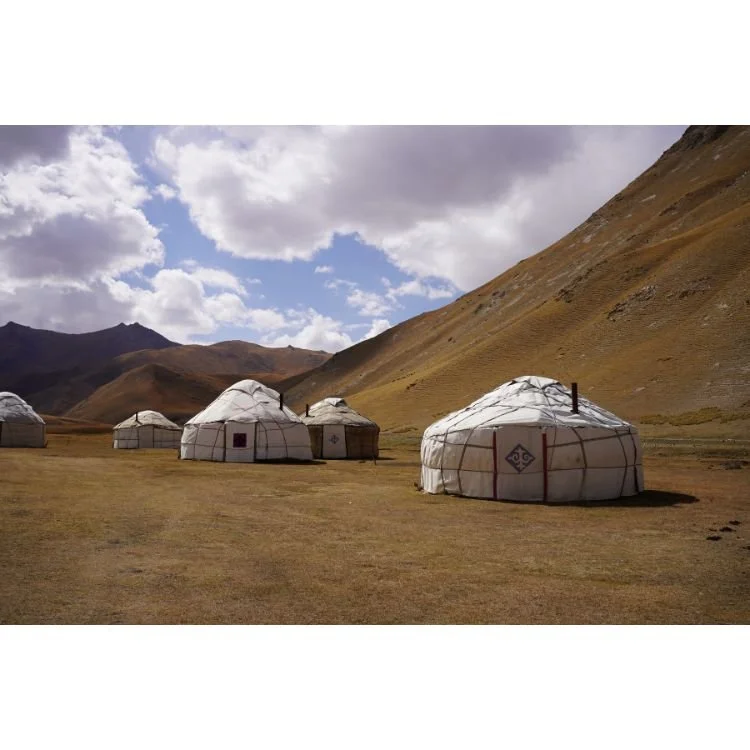
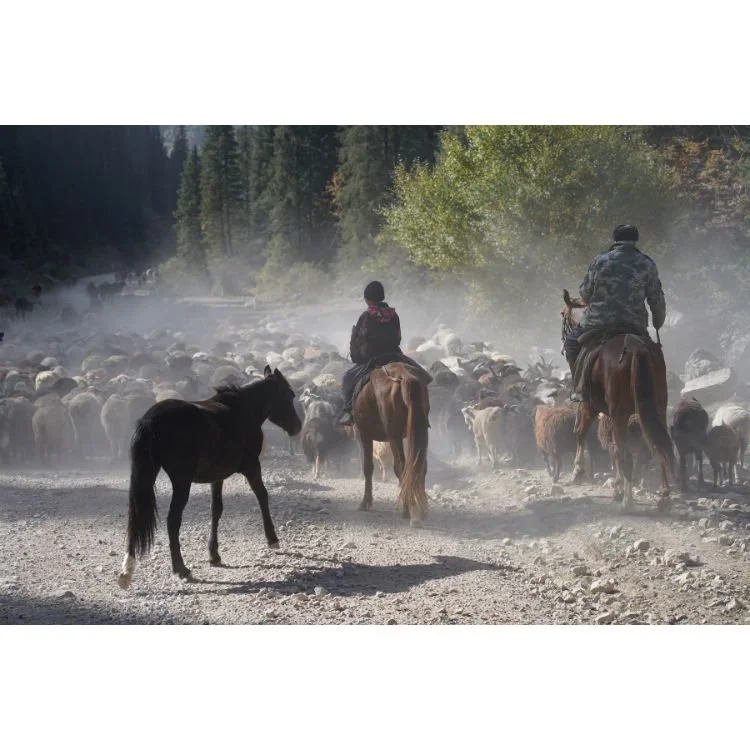
At the same time, Nomadic Art is undeniably a profound and philosophical experience, one that transcends the act of artistic creation. The awe-inspiring landscapes of Kyrgyzstan serve as more than just a backdrop — they become an integral part of the creative process, shaping both the artists’ work and their worldview. The shared experience of living in close proximity to nature, walking with shepherds, and engaging with local traditions becomes a transformative part of the project’s output. In this way, the project embodies a deep connection to place, making it more than just an artistic retreat but a spiritual experiment that encourages reflection on the world we inhabit. Ultimately, Nomadic Art is a space where art meets action, where dialogue turns into creative exploration, and where cultures intersect in meaningful ways. It is not just an event but an ongoing conversation about the intersection of contemporary art, sustainability, and cultural heritage.