Nomadic Art Camp 2020:
Navigating Urban Realities and Creative Resilience in the Face of Pandemic Challenges
Curator: Shaarbek Amankul
Participants of the exhibition at the Einstein Kultur Munich: KG: Akzhibek Amankulova, Zhanybek Sultanbekov, Cholponay Nurdoolot Kyzy
DE: Andrea Kreipe, Angelika&Nico Walther, Michael&Philip&Pia Gretschmann, Isabel Fink, Llka Niederfeld, Julia Prummer.
Initially, the project was conceived to be implemented outside of Kyrgyzstan, specifically in Germany, where it was envisioned as a bold experiment within the urban landscape. The project aimed to create a space for a group of Kyrgyz artists to explore and express their concepts, addressing critical themes such as migration and the complex notion of "home," particularly as it departed from its nomadic origins, offering them the opportunity to raise important related issues.
However, the COVID-19 pandemic forced a significant shift in strategy, preparation, and execution. While the pandemic disrupted the original plan, it also provided unexpected opportunities for learning. With the introduction of global travel restrictions and quarantine measures, the artists found themselves confined to their local environment, and the central concept of movement—vital to the project—became a key challenge. The project's focus on mobility—both the nomadic lifestyle and artistic exchange—directly contradicted the realities of quarantine and border closures, requiring reassessment and adaptation to the new, restricted environment. Artists whose creative processes were traditionally tied to movement, cultural exchange, and immersion in new environments now had to balance isolation with creativity.
Although physical access to the workspace was restricted, the artists' creative processes remained dynamic and adaptive. They responded to the quarantine restrictions by exploring new media, using digital tools, and finding innovative ways to stay connected with each other and their surroundings. Issues of isolation, limited resources, and virtual communication prompted them to alter their creative approaches, fostering deeper reflection on the themes of movement, adaptation, and resilience.
The period of isolation, although challenging, provided an opportunity for self-analysis of the project's central theme: movement versus stagnation. It emphasized the importance of flexibility and resilience—qualities inherent in nomadic cultures—and demonstrated how these attributes could be adapted to modern challenges, beyond just geographical movement in an ever-changing environment. The pandemic also prompted a critical examination of human migration, social distancing, and the concept of home—central themes of the Nomadic Art Project. These global issues, amplified by the pandemic, allowed the project to evolve in new, unexpected ways, deepening its relevance in addressing the complexities of the modern world.
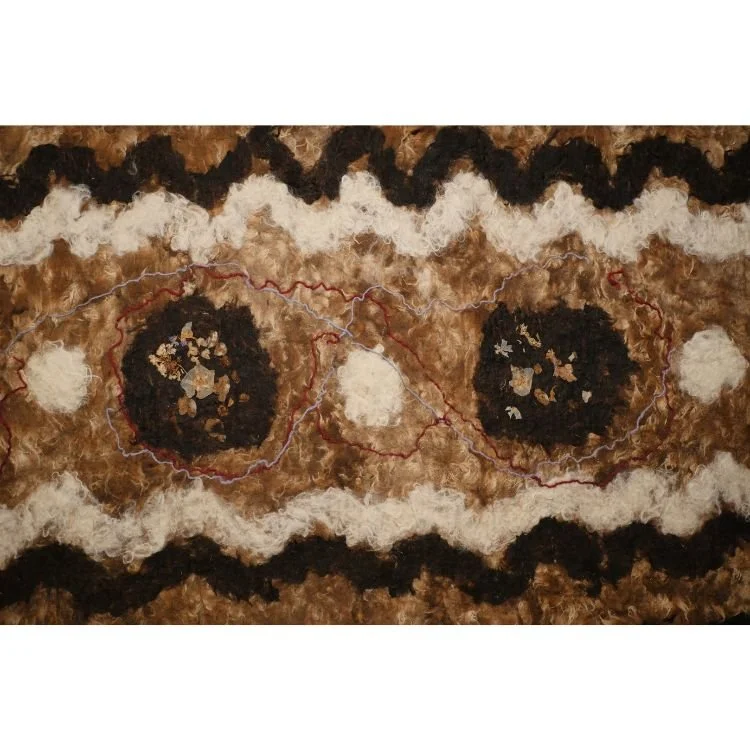
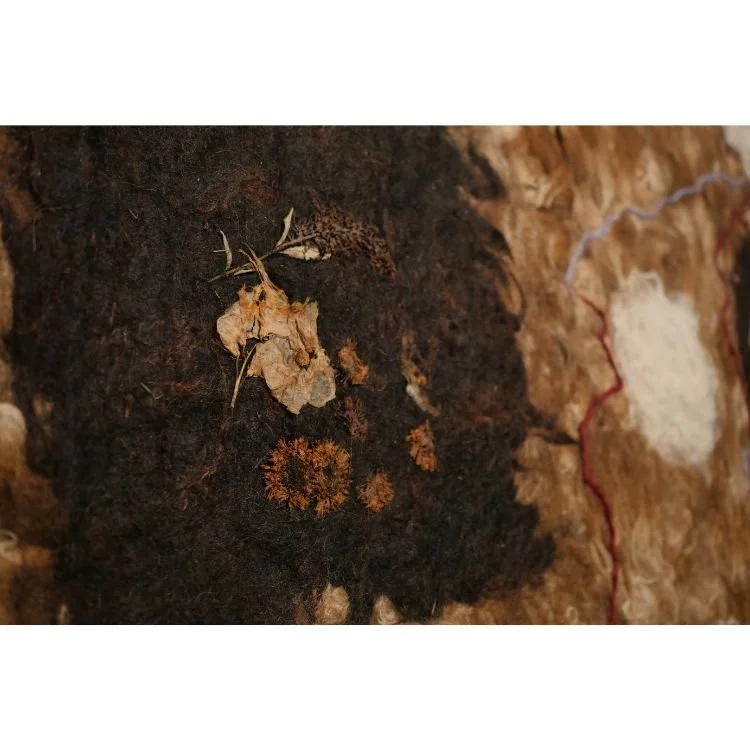
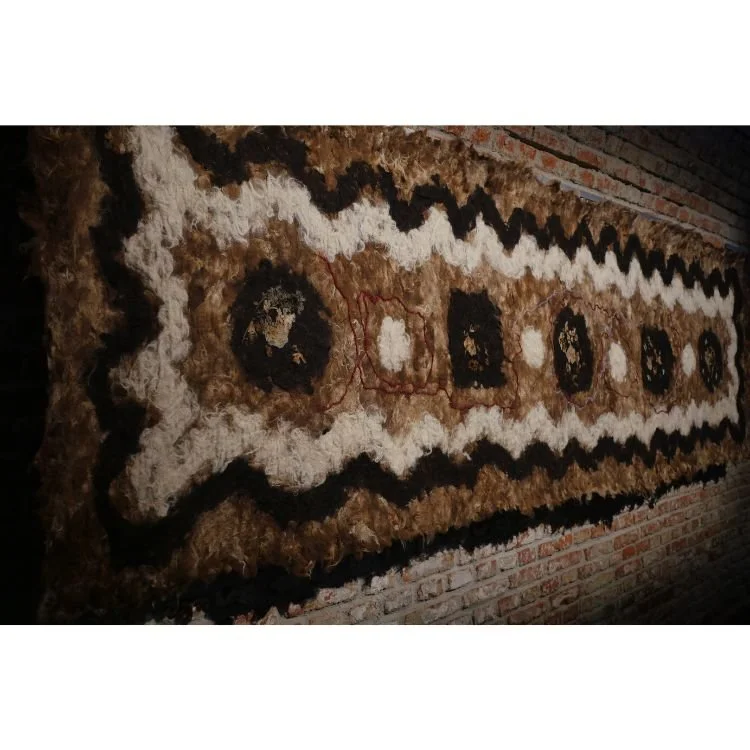
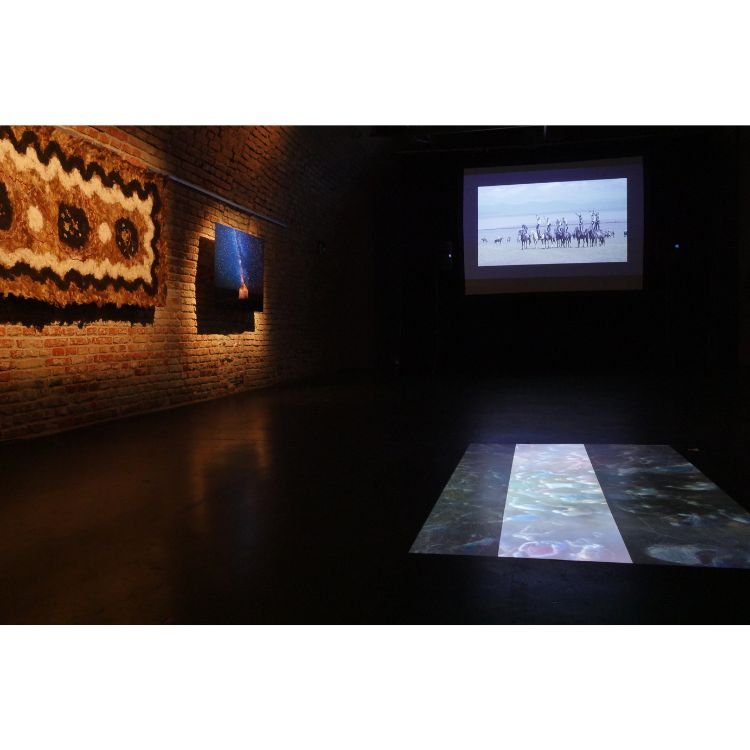
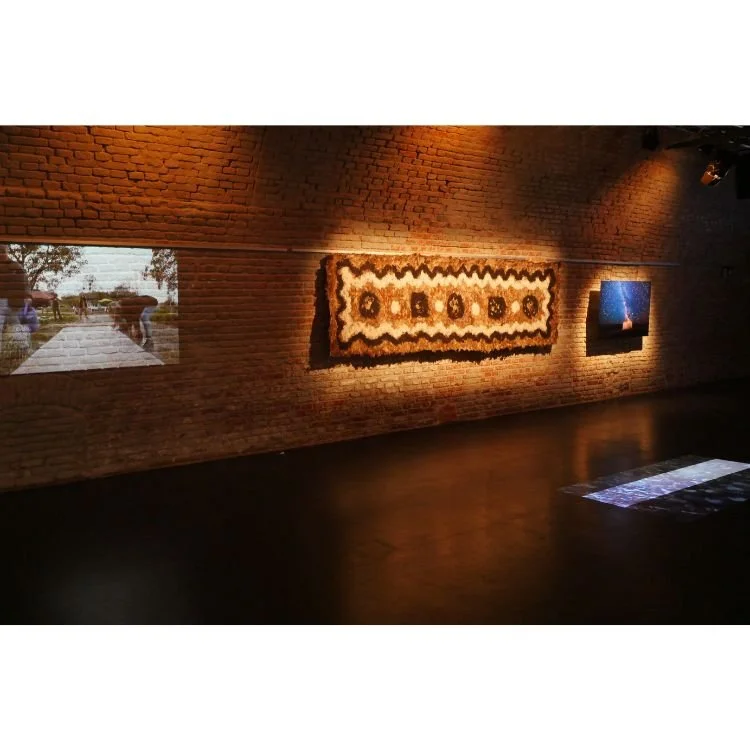
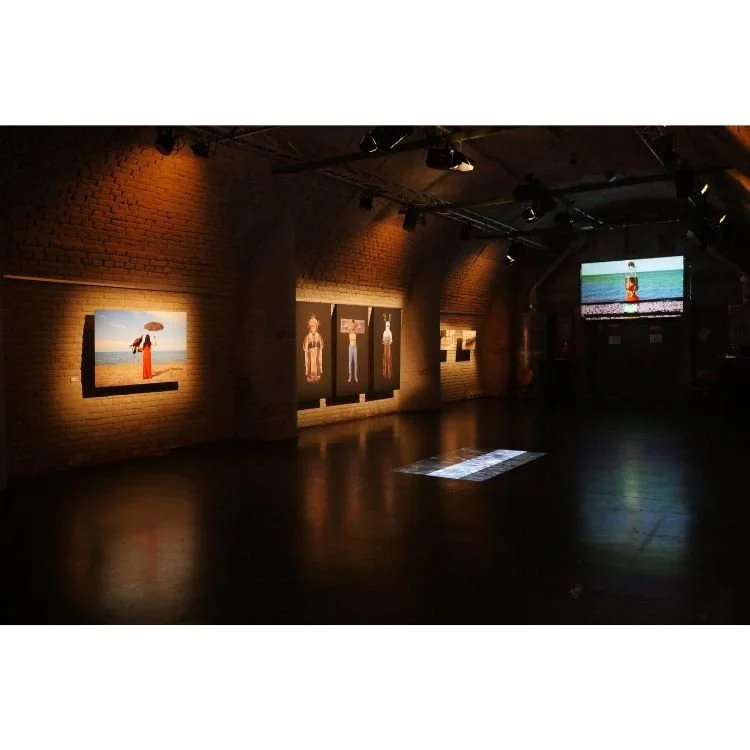
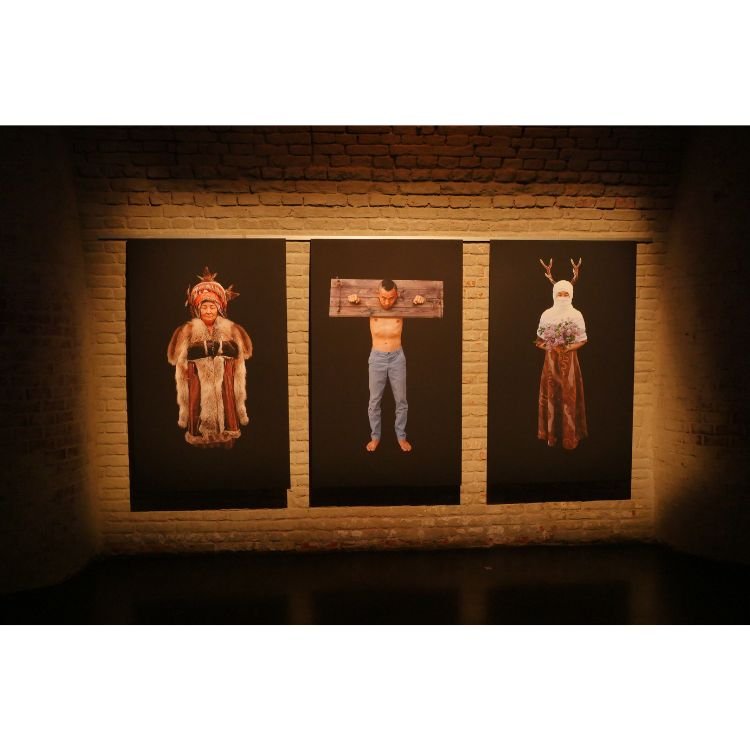
The exhibition in Munich brought together Kyrgyz and German artists to reflect on social shifts and explore the changing dynamics of urbanization and human migration. It raised fundamental questions about how societies and environments are transformed by these forces, especially in the context of the pandemic. Despite the challenges posed by the pandemic, the project successfully adapted through digital interactions and intercultural exchanges, highlighting both the resilience and adaptability of the artists and the project itself. As a result, the artists spent over seven months in various cities across Europe, returning home only after international flights resumed in the fall. Despite the challenges, this extended period offered valuable opportunities for personal reflection and creative experimentation.